Abhigra (Sildenafil) — Complete ED Treatment Guide
Uses, mechanism, safety, and comparisons
Abhigra is a sildenafil‑based medication used for the treatment of erectile dysfunction. It works by increasing blood flow to the penile tissues through PDE5 inhibition, helping achieve and maintain an erection during sexual stimulation. This mechanism supports improved erectile response when needed.
Table of Contents
What is Abhigra? Mechanism of Action Who Should Use It Pharmacokinetics of Abhigra Clinical Use Context Onset & Duration Factors Drug Interactions Overview Contraindications Overview Abhigra vs Generic Sildenafil Storage & Handling Preparation for Use Real‑World Use Scenarios Clinical Evidence Snapshot Safety Principles Regulatory Status FAQWhat is Abhigra?
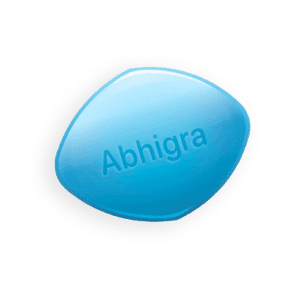
Abhigra is a medication used in the management of erectile dysfunction, formulated with sildenafil citrate as its active ingredient. Sildenafil belongs to the class of phosphodiesterase type 5 (PDE5) inhibitors, which are widely used to support erectile function in adult men. Abhigra is typically taken on an as‑needed basis and is intended to help improve the physiological response to sexual stimulation.
As with other sildenafil‑based treatments, Abhigra works by influencing blood flow mechanisms involved in achieving an erection. It does not initiate arousal on its own but supports the natural erectile process when stimulation occurs. The medication is part of a broader group of ED therapies that have been used for many years in clinical practice.
Mechanism of Action
Abhigra works by inhibiting phosphodiesterase type 5 (PDE5), an enzyme responsible for breaking down cyclic GMP in the smooth muscle of penile blood vessels. By limiting PDE5 activity, the medication helps maintain higher levels of cyclic GMP, allowing the blood vessels to relax more effectively during sexual stimulation.
This leads to increased blood flow into the erectile tissues, supporting the ability to achieve and maintain an erection. The mechanism is localized to the physiological response triggered by sexual arousal, meaning the medication enhances natural processes rather than creating them independently.
Who Should Use It
Abhigra may be suitable for adult men experiencing mild to moderate erectile dysfunction, particularly those who benefit from an as‑needed medication that supports natural erectile responses. It can be considered by individuals seeking improved firmness or reliability during sexual activity, provided they have discussed its use with a healthcare professional.
However, Abhigra is not appropriate for everyone. It should not be used by individuals taking nitrate‑based medications, those with certain cardiovascular conditions, or people for whom sexual activity is medically unsafe. Men with severe underlying health issues or significant liver or kidney impairment should also consult a clinician before use. A medical consultation is important to confirm suitability, assess risks, and determine whether a sildenafil‑based treatment aligns with the user’s health profile.
Pharmacokinetics of Abhigra
Abhigra, formulated with sildenafil citrate, follows a well‑characterized pharmacokinetic profile typical for PDE5 inhibitors. After oral administration, sildenafil is rapidly absorbed, with peak plasma concentrations generally reached within a predictable timeframe. The rate of absorption may be influenced by food intake, particularly high‑fat meals, which can delay the onset of measurable systemic exposure.
Metabolism occurs primarily through hepatic pathways involving CYP3A4, resulting in active and inactive metabolites that contribute to the overall pharmacological effect. Elimination is achieved through both fecal and renal routes, with a terminal half‑life consistent with other sildenafil‑based medications. These characteristics support its use as an on‑demand therapy aligned with natural physiological responses.
Clinical Use Context
Abhigra is used within the broader clinical framework of managing erectile dysfunction, where sildenafil‑based therapies remain a well‑established component of first‑line treatment. In routine practice, healthcare professionals consider Abhigra appropriate for adult men experiencing reduced erectile response associated with vascular, metabolic, or age‑related factors. Its role is to support the physiological mechanisms responsible for erection during sexual stimulation, complementing lifestyle adjustments and other therapeutic strategies commonly applied in ED management.
Within clinical settings, Abhigra is often selected when a predictable onset of action and a familiar safety profile are desired. Sildenafil’s long history of use provides extensive real‑world evidence, making Abhigra suitable for patients who benefit from on‑demand PDE5 inhibition rather than continuous daily therapy. The medication fits into treatment pathways where individualized assessment guides the choice of ED therapy, ensuring that the pharmacological effect aligns with patient expectations, comorbidities, and overall therapeutic goals.
Onset and Duration Factors
The onset of action for Abhigra reflects the typical pharmacological behavior of sildenafil, with absorption and initial effect influenced by several physiological and external factors. Most individuals experience a response within a predictable timeframe, although variations may occur due to food intake, metabolic rate, and overall vascular function. High‑fat meals are known to slow gastric emptying, which can delay the appearance of active plasma concentrations and shift the expected onset window.
The duration of effect also demonstrates natural variability, shaped by individual differences in circulation, enzyme activity, and the presence of concurrent lifestyle or health factors. While Abhigra supports erectile function during a defined period after administration, the exact length of responsiveness may differ between users. Factors such as alcohol consumption, stress levels, and general cardiovascular health can influence how long the pharmacological effect remains noticeable, aligning the medication’s performance with real‑world physiological conditions.
Interactions Overview
Abhigra, containing sildenafil citrate, may interact with several medication classes that influence cardiovascular function, blood pressure regulation, or hepatic metabolism. The most clinically significant interactions involve nitrates and nitric oxide donors, as their combined vasodilatory effect can lead to pronounced reductions in systemic blood pressure. Caution is also warranted with alpha‑blockers, where additive hemodynamic effects may alter the expected response to therapy. These considerations reflect the broader interaction profile typical for PDE5 inhibitors used in erectile dysfunction management.
Metabolic interactions primarily relate to CYP3A4, the enzyme responsible for sildenafil biotransformation. Strong inhibitors or inducers of this pathway can modify systemic exposure, potentially affecting the intensity or duration of the pharmacological effect. Alcohol consumption may further influence vascular responsiveness and overall treatment experience, although its impact varies among individuals. Understanding these interaction patterns helps contextualize Abhigra within real‑world therapeutic scenarios and supports informed decision‑making in clinical practice.
Contraindications Overview
Abhigra is not suitable for individuals with certain cardiovascular or systemic conditions where sildenafil‑based therapy may pose additional risks. The medication is contraindicated in patients using nitrates or nitric oxide donors due to the potential for significant blood pressure reduction. It is also unsuitable for men with severe hypotension, unstable angina, or recent serious cardiac events, where vasodilatory effects may interfere with clinical stability. These restrictions align with established safety principles for PDE5 inhibitors.
Additional contraindications include known hypersensitivity to sildenafil or any component of the formulation, as well as medical scenarios where sexual activity itself is not advised due to underlying health concerns. Individuals with rare hereditary retinal disorders or severe hepatic impairment may also require alternative therapeutic approaches. Understanding these limitations helps ensure that Abhigra is used within appropriate clinical boundaries and supports safe integration into erectile dysfunction management.
Abhigra vs Generic Sildenafil
Abhigra is a branded formulation of sildenafil citrate, while generic sildenafil refers to non‑branded versions produced by multiple pharmaceutical manufacturers. Both options contain the same active ingredient and share an identical mechanism of action as PDE5 inhibitors used in the management of erectile dysfunction. Differences may arise from manufacturing standards, excipient profiles, and batch‑to‑batch consistency, although these variations typically do not alter the expected pharmacological effect when used appropriately.
Generic sildenafil encompasses a wide range of products that may differ in packaging, tablet design, and pricing. Abhigra, as a branded alternative, is often positioned as a formulation with predictable quality control and uniformity across production cycles. Despite these distinctions, both Abhigra and generic sildenafil are considered clinically comparable, offering similar therapeutic outcomes when taken according to medical guidance and established treatment recommendations.
Storage & Handling
Abhigra should be stored under standard pharmaceutical conditions to maintain the stability of sildenafil citrate and preserve tablet integrity. The medication is best kept at controlled room temperature, away from excessive heat, moisture, and direct sunlight, as these factors may affect the physical properties of the formulation. Storing the product in its original packaging helps protect it from environmental exposure and ensures that the tablets remain dry and structurally intact.
When transporting Abhigra, especially during travel, it is advisable to keep the medication in a secure, temperature‑stable environment to prevent degradation. Tablets should not be transferred into unlabelled containers, as proper identification supports safe and consistent use. Following these handling principles helps maintain the expected quality of the product and aligns with general storage recommendations for PDE5 inhibitor medications.
Preparation for Use
Before using Abhigra, individuals are advised to consider several practical factors that influence the effectiveness of sildenafil‑based therapy. The medication is intended for use in anticipation of sexual activity, and its performance depends on adequate sexual stimulation, as PDE5 inhibitors do not initiate arousal on their own. Taking the tablet on an empty stomach or after a light meal may support a more predictable onset, while high‑fat foods can delay absorption and shift the expected response window.
Users should also account for lifestyle elements that may affect the overall experience, including alcohol intake, stress levels, and general cardiovascular readiness for sexual activity. Reviewing current medications and health conditions with a healthcare professional helps ensure that Abhigra fits safely within the individual’s therapeutic profile. These preparation steps support consistent, real‑world use and align with established guidance for PDE5 inhibitor administration.
Real‑World Use Scenarios
In real‑world settings, Abhigra is used by men experiencing varying degrees of erectile dysfunction, often influenced by age‑related changes, vascular factors, or lifestyle‑associated conditions. Individuals with mild to moderate ED may rely on Abhigra for predictable, on‑demand support during sexual activity, while those with more complex health profiles may incorporate it as part of a broader management strategy. The medication’s established pharmacological behavior allows it to fit into diverse therapeutic pathways where flexibility and responsiveness are important.
Clinical experience shows that men with comorbidities such as hypertension, metabolic syndrome, or early cardiovascular changes may respond differently to PDE5 inhibitors, making real‑world variability an expected part of treatment. Abhigra is often chosen when users seek a familiar safety profile and consistent performance aligned with sildenafil‑based therapy. These scenarios reflect how the medication functions across everyday contexts, supporting natural erectile mechanisms while accommodating individual physiological differences.
Clinical Evidence Snapshot
Clinical evidence supporting the use of Abhigra is derived from extensive research on sildenafil citrate, a well‑studied PDE5 inhibitor with a long history of therapeutic application in erectile dysfunction. Multiple controlled trials have demonstrated that sildenafil improves erectile response across a broad range of ED severities, with efficacy consistently observed in vascular, metabolic, and age‑related cases. These findings form the scientific foundation for Abhigra’s role in on‑demand ED management and reflect the medication’s alignment with established treatment pathways.
Real‑world data further reinforce the clinical trial outcomes, showing that patient response rates remain high when the medication is used under appropriate conditions and with adequate sexual stimulation. Variability in effectiveness is typically associated with underlying health factors, concurrent medications, and lifestyle influences, all of which are well‑documented in sildenafil research. Together, these clinical insights provide a clear evidence base for Abhigra’s therapeutic performance and support its continued use within modern ED treatment frameworks.
Safety Principles
Safe use of Abhigra is based on general principles established for sildenafil and other PDE5 inhibitors, emphasizing cardiovascular readiness and awareness of potential interaction risks. Individuals should ensure that sexual activity is medically appropriate for their health status, particularly when underlying heart conditions or circulatory issues are present. Reviewing current medications, especially those affecting blood pressure or nitric oxide pathways, helps reduce the likelihood of adverse interactions and supports responsible use.
Users are encouraged to monitor how their body responds to the medication and to seek medical guidance if unexpected symptoms occur or if erectile difficulties persist despite proper use. Avoiding excessive alcohol intake, maintaining hydration, and following general wellness practices can contribute to a more predictable treatment experience. These safety principles align with established recommendations for PDE5 inhibitor therapy and help ensure that Abhigra is used within appropriate clinical boundaries.
Regulatory Status
Abhigra is regulated as a prescription medication containing sildenafil citrate, a well‑established PDE5 inhibitor approved for the treatment of erectile dysfunction. Its regulatory classification aligns with other sildenafil‑based therapies, requiring medical oversight to ensure appropriate use and to evaluate potential contraindications or interaction risks. The product is manufactured according to pharmaceutical quality standards that govern the production, packaging, and distribution of prescription‑only ED treatments.
As with all medications in this therapeutic class, Abhigra is subject to ongoing regulatory monitoring related to safety, manufacturing consistency, and adherence to established clinical guidelines. Market authorization is based on the extensive evidence supporting sildenafil’s efficacy and safety profile, while continued compliance ensures that the formulation remains aligned with current medical and regulatory expectations. This status reinforces Abhigra’s role as a controlled, clinically validated option within erectile dysfunction management.
Compare Abhigra
FAQ
Abhigra contains sildenafil citrate. The references below relate to sildenafil and PDE5 inhibitor pharmacology and clinical research.