Revatio (Sildenafil) — PAH Treatment Guide & Pulmonary Vasodilation Overview
Uses, mechanism, safety, and comparisons
Revatio is a medication used to treat pulmonary arterial hypertension by helping the blood vessels in the lungs relax. It works by inhibiting the PDE5 enzyme, which allows pressure in the pulmonary arteries to decrease. This helps improve exercise capacity and overall blood flow in the lungs.
Table of Contents
What is Revatio? Mechanism of Action Who Should Use It Pulmonary Hemodynamics Overview Revatio vs Systemic Vasodilation Oxygenation & Exercise Capacity Functional Class Improvements (WHO/NYHA) Right‑Heart Physiology & RV Function Drug Interactions in PAH Therapy Long‑Term Outcomes & Disease Progression Revatio in Special Populations Clinical Evidence & Trial Data Monitoring & Treatment Response Indicators FAQWhat is Revatio?
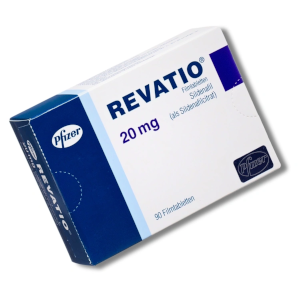
Revatio is a prescription medication whose active ingredient is sildenafil, a phosphodiesterase type 5 (PDE5) inhibitor. Unlike sildenafil products used for erectile dysfunction, Revatio is specifically formulated and approved for the treatment of pulmonary arterial hypertension (PAH). This condition involves abnormally high blood pressure in the arteries of the lungs, which places strain on the heart and reduces the body’s ability to deliver oxygen efficiently.
Sildenafil in Revatio works by relaxing the smooth muscle in the pulmonary blood vessels, allowing them to widen and reduce resistance. This improves blood flow through the lungs and lowers pulmonary arterial pressure, helping the heart pump more effectively. The mechanism is the same PDE5 inhibition seen in other sildenafil‑based medications, but the therapeutic goal and dosing regimen differ because the focus is on lung circulation rather than erectile function.
Revatio is typically used as part of a long‑term management plan for PAH and may be combined with other treatments depending on the severity of the condition. Its role is well established in cardiology and pulmonology, where it helps improve exercise capacity and overall functional status. As with any medication affecting cardiovascular and pulmonary systems, it is used under medical supervision to ensure safety and appropriate monitoring.
Mechanism of Action
Revatio works by inhibiting PDE5, an enzyme that breaks down cGMP, a molecule involved in regulating blood flow in the pulmonary arteries. By blocking PDE5, sildenafil allows cGMP levels to remain elevated, helping the smooth muscle in the lung blood vessels relax and widen. This reduces resistance in the pulmonary circulation and lowers pressure within these vessels.
This leads to increased blood flow through the lungs and decreases the workload on the heart, improving oxygen delivery and exercise capacity. The effect supports the body’s natural cardiovascular function without creating stimulation on its own, making it a targeted therapy for pulmonary arterial hypertension.
Who Should Use It
Revatio may be suitable for adults diagnosed with pulmonary arterial hypertension (PAH) who need a medication that helps lower pressure in the lung arteries and improve exercise capacity. Its active ingredient, sildenafil, works by relaxing pulmonary blood vessels, making it easier for the heart to pump blood through the lungs. A healthcare professional typically determines suitability based on cardiovascular status, lung function, and overall medical history.
Revatio is not appropriate for individuals taking nitrate‑based medications, those with certain cardiovascular conditions, or people advised to avoid medications that affect blood pressure. It may also be unsuitable for people with significant liver or kidney impairment. Anyone considering Revatio should consult a healthcare professional to confirm that it is safe and appropriate for their specific health needs.
Pulmonary Hemodynamics Overview (Revatio / Sildenafil for PAH)
Revatio’s therapeutic effect is rooted in its ability to modulate pulmonary hemodynamics through selective inhibition of PDE5 within the pulmonary vascular bed. PDE5 is highly expressed in the smooth muscle of pulmonary arteries, especially in patients with pulmonary arterial hypertension (PAH), where chronic vasoconstriction and vascular remodeling elevate pulmonary vascular resistance (PVR) and increase right‑ventricular (RV) afterload. By preventing cGMP degradation, Revatio enhances nitric‑oxide–mediated vasodilation, reducing PVR and improving blood flow through the pulmonary circulation.
This hemodynamic shift decreases mean pulmonary arterial pressure (mPAP), lowers RV wall stress, and improves forward flow into the pulmonary vasculature. The result is improved oxygen delivery, enhanced exercise tolerance, and reduced symptom burden across WHO functional classes. Unlike systemic vasodilators, Revatio’s pulmonary selectivity allows meaningful reductions in pulmonary pressures without compromising systemic perfusion.
| Hemodynamic Parameter | Effect of Revatio |
|---|---|
| PVR (Pulmonary Vascular Resistance) | Significant reduction via cGMP‑mediated vasodilation |
| mPAP (Mean Pulmonary Arterial Pressure) | Moderate decrease, improving RV unloading |
| RV afterload | Reduced due to lower pulmonary pressures |
| Cardiac output | Improved through enhanced RV efficiency |
| Oxygenation | Better ventilation–perfusion matching |
These pulmonary hemodynamic effects explain why Revatio is a cornerstone therapy in PAH management, improving functional capacity and reducing disease burden through targeted modulation of pulmonary vascular tone.
Revatio vs Systemic Vasodilation — Selective Pulmonary Action
Revatio’s clinical value in PAH stems from its preferential pulmonary vasodilation, which differentiates it from systemic vasodilators that can cause hypotension without improving pulmonary circulation. PDE5 expression is disproportionately higher in pulmonary arterial smooth muscle compared to systemic vessels, especially under hypoxic and hypertensive conditions. This anatomical and biochemical distribution allows Revatio to exert stronger vasodilatory effects in the pulmonary circuit while maintaining stable systemic blood pressure.
Because Revatio enhances nitric‑oxide–cGMP signaling primarily where PDE5 is upregulated, its action is concentrated in the pulmonary vasculature. This targeted effect reduces pulmonary pressures, improves RV performance, and enhances exercise capacity without the systemic vascular collapse associated with non‑selective vasodilators. The result is a favorable hemodynamic profile that supports long‑term PAH management.
| Parameter | Pulmonary Effect | Systemic Effect |
|---|---|---|
| PDE5 expression | High in pulmonary arteries | Lower in systemic vasculature |
| Vasodilation intensity | Strong, targeted | Mild to moderate |
| Impact on blood pressure | Reduces pulmonary pressures | Minimal systemic hypotension |
| RV afterload | Significant reduction | No major effect |
| Clinical relevance | Improves PAH symptoms and exercise capacity | Maintains systemic perfusion |
This selective pulmonary action makes Revatio uniquely suited for PAH therapy, delivering meaningful hemodynamic improvements without compromising systemic stability.
Oxygenation & Exercise Capacity (Revatio / Sildenafil for PAH)
Revatio improves oxygenation and exercise capacity by reducing pulmonary vascular resistance (PVR) and enhancing perfusion of ventilated lung regions. Through selective inhibition of PDE5 in pulmonary arterial smooth muscle, Revatio amplifies nitric‑oxide–cGMP signaling, promoting vasodilation where pulmonary pressures are pathologically elevated. This hemodynamic shift improves ventilation–perfusion matching, reduces right‑ventricular (RV) strain, and increases forward flow through the pulmonary circuit.
These physiological changes translate into measurable improvements in exercise performance, most commonly assessed via the 6‑minute walk test (6MWT). Enhanced pulmonary blood flow increases oxygen delivery to peripheral tissues, reduces exertional dyspnea, and supports higher functional capacity across WHO functional classes. Revatio’s pulmonary selectivity allows these benefits without compromising systemic blood pressure, enabling sustained activity tolerance in PAH patients.
| Exercise / Oxygenation Parameter | Effect of Revatio |
|---|---|
| Ventilation–perfusion matching | Improved due to selective pulmonary vasodilation |
| 6MWT distance | Clinically meaningful increases in walking capacity |
| Exertional dyspnea | Reduced as pulmonary pressures decline |
| Oxygen delivery | Enhanced via improved pulmonary perfusion |
| RV workload during exercise | Lowered due to reduced afterload |
These improvements in oxygenation and exercise tolerance position Revatio as a core therapy for enhancing functional performance in PAH.
Functional Class Improvements (WHO/NYHA) with Revatio
Revatio contributes to functional class improvement in PAH by reducing pulmonary arterial pressure, lowering RV afterload, and enhancing cardiac output. These hemodynamic changes alleviate symptoms such as exertional dyspnea, fatigue, and reduced exercise tolerance, which define WHO/NYHA functional classifications. By targeting PDE5‑rich pulmonary vasculature, Revatio provides symptom relief without inducing systemic hypotension, enabling patients to maintain or advance to lower functional classes.
Clinical observations show that Revatio supports transitions from WHO FC III to FC II and stabilizes patients at lower symptom burdens. Improvements in functional class correlate with enhanced quality of life, reduced hospitalization risk, and better long‑term outcomes. Revatio’s predictable pulmonary selectivity makes it a reliable component of combination therapy strategies in PAH management.
| WHO/NYHA Functional Parameter | Effect of Revatio |
|---|---|
| Symptom burden | Reduced dyspnea, fatigue, and exertional limitation |
| Functional class stability | Improved maintenance of FC II–III |
| Exercise tolerance | Enhanced due to reduced pulmonary pressures |
| Daily activity capacity | Improved through better oxygenation and RV function |
| Quality of life | Positive impact via reduced PAH symptom severity |
These functional class improvements highlight Revatio’s role as a targeted pulmonary vasodilator that enhances daily performance and reduces PAH symptom progression.
Right‑Heart Physiology & RV Function (Revatio / Sildenafil for PAH)
Revatio directly influences right‑heart physiology by reducing pulmonary vascular resistance (PVR) and lowering the mechanical load placed on the right ventricle (RV). In pulmonary arterial hypertension (PAH), chronic vasoconstriction and vascular remodeling elevate mean pulmonary arterial pressure (mPAP), forcing the RV to generate higher pressures to maintain pulmonary blood flow. This sustained afterload leads to RV hypertrophy, dilation, and eventual decline in contractile performance.
Through selective inhibition of PDE5 in pulmonary arterial smooth muscle, Revatio enhances nitric‑oxide–cGMP signaling, promoting vasodilation where PDE5 expression is highest. The resulting reduction in pulmonary pressures decreases RV wall stress, improves stroke volume, and enhances forward flow into the pulmonary circulation. These changes support better oxygen delivery, improved exercise tolerance, and stabilization of RV function across WHO functional classes.
| Right‑Heart Parameter | Effect of Revatio |
|---|---|
| RV afterload | Significant reduction due to lower PVR |
| RV wall stress | Decreased as pulmonary pressures fall |
| Stroke volume | Improved through enhanced RV efficiency |
| Cardiac output | Increased via better RV performance |
| RV remodeling | Slowed progression due to reduced pressure burden |
These right‑heart benefits position Revatio as a cornerstone therapy for PAH, targeting the hemodynamic drivers of RV dysfunction and improving long‑term functional stability.
Drug Interactions in PAH Therapy (Revatio / Sildenafil)
Revatio’s interaction profile in PAH differs from its use in erectile dysfunction because PAH treatment commonly involves multi‑drug regimens targeting distinct pathways: endothelin, nitric oxide, and prostacyclin. Revatio enhances nitric‑oxide–cGMP signaling, making its interactions most relevant with agents that influence pulmonary vascular tone, systemic blood pressure, or hepatic metabolism. These interactions do not alter Revatio’s mechanism but may influence hemodynamic response, tolerability, or plasma concentration.
Combination therapy is common in PAH, and Revatio is frequently used alongside endothelin receptor antagonists (ERAs) and prostacyclin analogs. Understanding these interactions is essential for interpreting clinical outcomes and hemodynamic variability.
| Drug Class | Interaction Context |
|---|---|
| Endothelin receptor antagonists (ERAs) | Complementary vasodilation; distinct pathways with additive benefits |
| Prostacyclin analogs | Synergistic pulmonary vasodilation; may enhance exercise capacity |
| Soluble guanylate cyclase stimulators | Both act on NO–cGMP pathway; combined use requires caution |
| Systemic antihypertensives | Potential additive effects on systemic blood pressure |
| CYP3A4 inhibitors | May increase sildenafil exposure and intensify vasodilatory effects |
| CYP inducers | May reduce plasma levels and blunt pulmonary response |
| Nitrate‑based medications | Strong additive vasodilation due to shared NO–cGMP pathway |
These PAH‑specific interaction patterns highlight how Revatio integrates into multi‑pathway treatment strategies while maintaining selective pulmonary action.
Long‑Term Outcomes & Disease Progression (Revatio / Sildenafil for PAH)
Long‑term outcomes with Revatio reflect its sustained ability to reduce pulmonary vascular resistance (PVR), stabilize right‑ventricular (RV) workload, and improve functional capacity in patients with pulmonary arterial hypertension (PAH). Through selective inhibition of PDE5 in pulmonary arterial smooth muscle, Revatio enhances nitric‑oxide–cGMP signaling, producing durable reductions in mean pulmonary arterial pressure (mPAP) and supporting long‑term hemodynamic stability.
Over extended treatment periods, these effects contribute to slower disease progression, improved exercise tolerance, and reduced symptom burden. Clinical observations indicate that Revatio helps maintain WHO functional class, reduces the frequency of PAH‑related exacerbations, and supports better quality‑of‑life metrics. Its pulmonary selectivity allows chronic use without significant systemic hypotension, making it suitable for long‑term therapy and combination regimens.
| Long‑Term Parameter | Effect of Revatio |
|---|---|
| Disease progression | Slowed due to reduced pulmonary pressures and RV strain |
| Functional class stability | Improved maintenance of WHO FC II–III |
| Hospitalization risk | Lower due to improved hemodynamic control |
| Exercise capacity | Sustained improvements in 6MWT performance |
| RV remodeling | Reduced progression of hypertrophy and dilation |
These long‑term benefits position Revatio as a foundational therapy for PAH, supporting hemodynamic stability and functional preservation over time.
Revatio in Special Populations (PAH Subtypes & Comorbid Conditions)
Revatio demonstrates clinical relevance across multiple PAH subpopulations due to its targeted pulmonary vasodilation and favorable hemodynamic profile. Its mechanism—selective enhancement of nitric‑oxide–cGMP signaling in PDE5‑rich pulmonary arteries—supports consistent reductions in pulmonary pressures across diverse etiologies of PAH. While individual responses vary, Revatio’s pulmonary selectivity and predictable pharmacodynamics make it suitable for a broad range of clinical contexts.
Special populations include patients with connective‑tissue‑disease–associated PAH, congenital heart disease–related PAH, and elderly individuals with reduced cardiopulmonary reserve. In these groups, Revatio’s ability to lower RV afterload without inducing systemic hypotension is particularly valuable.
| Population | Clinical Context |
|---|---|
| Connective‑tissue‑disease PAH | Supports improved hemodynamics despite inflammatory vascular remodeling |
| Congenital heart disease PAH | Enhances pulmonary flow and reduces RV strain in shunt‑related PAH |
| Elderly patients | Provides pulmonary vasodilation with minimal systemic hypotension |
| PAH with RV dysfunction | Reduces afterload and supports RV performance |
| Combination‑therapy candidates | Integrates well with ERAs and prostacyclin analogs |
These population‑specific patterns highlight Revatio’s versatility as a PAH therapy, offering targeted pulmonary benefits across diverse clinical scenarios.
Clinical Evidence & Trial Data (Revatio / Sildenafil for PAH)
Revatio’s clinical evidence base is anchored in large, controlled studies evaluating its impact on pulmonary hemodynamics, exercise capacity, and functional class in pulmonary arterial hypertension (PAH). As a selective inhibitor of PDE5, Revatio enhances nitric‑oxide–cGMP signaling in pulmonary arterial smooth muscle, producing targeted vasodilation and measurable improvements in cardiopulmonary performance. Clinical trials consistently demonstrate reductions in pulmonary vascular resistance (PVR), improved 6‑minute walk distance (6MWD), and stabilization of right‑ventricular (RV) function.
Key studies, including the SUPER‑1 and SUPER‑2 trials, show that Revatio improves exercise tolerance, reduces symptom burden, and supports functional class improvement across WHO FC II–III. Long‑term extension data indicate sustained hemodynamic benefits and favorable tolerability, supporting its role as a foundational therapy in PAH management and combination regimens.
| Clinical Endpoint | Observed Effect of Revatio |
|---|---|
| PVR reduction | Significant decrease via selective pulmonary vasodilation |
| mPAP | Moderate reduction improving RV unloading |
| 6MWD | Clinically meaningful increases in exercise capacity |
| Functional class | Improvement or stabilization in WHO FC II–III |
| Quality of life | Enhanced due to reduced dyspnea and fatigue |
| Long‑term tolerability | Consistent safety profile with chronic use |
These clinical findings establish Revatio as a validated, targeted pulmonary vasodilator with durable benefits across key PAH outcome measures.
Monitoring & Treatment Response Indicators (Revatio / Sildenafil for PAH)
Monitoring response to Revatio involves evaluating hemodynamic, functional, and biomarker‑based indicators that reflect pulmonary vascular load and right‑ventricular performance. Because Revatio selectively reduces pulmonary vascular resistance, treatment response is assessed through improvements in exercise capacity, stabilization of WHO functional class, and reductions in markers of RV strain. These parameters help clinicians determine whether pulmonary vasodilation is translating into meaningful physiological benefit.
Monitoring strategies focus on functional performance, cardiopulmonary imaging, and biochemical markers associated with PAH progression. Revatio’s predictable pharmacodynamics allow consistent interpretation of these indicators across long‑term therapy and combination regimens.
| Monitoring Parameter | Relevance to Revatio Response |
|---|---|
| 6‑minute walk test (6MWT) | Improved distance indicates enhanced exercise capacity |
| WHO functional class | Stabilization or improvement reflects reduced symptom burden |
| BNP / NT‑proBNP | Declining levels suggest reduced RV strain |
| Echocardiography | Assesses RV size, function, and pulmonary pressures |
| Right‑heart catheterization | Direct measurement of PVR and mPAP when clinically indicated |
| Oxygen saturation trends | Improved oxygenation reflects better pulmonary perfusion |
These monitoring indicators provide a structured framework for evaluating Revatio’s impact on pulmonary hemodynamics, RV function, and overall PAH stability.