Cialis (Tadalafil) — Long‑Acting ED Treatment Guide & Clinical Overview
Uses, mechanism, safety, and comparisons
Cialis is an oral medication used for erectile dysfunction and, in some cases, benign prostatic hyperplasia. It works by inhibiting PDE5, allowing blood vessels in the penis to relax and improving blood flow during sexual stimulation. This helps support a firm, natural‑feeling erection with a longer window of effectiveness.
Table of Contents
What is Cialis? Mechanism of Action Who Should Use It Pharmacodynamics Pharmacokinetics Absorption Profile Onset & Duration Variability Lifestyle Factors Food & Alcohol Suitability Profiles Real‑World Use Preparation for Use Clinical Evidence Regulatory Status Storage & Handling Drug Interactions Overview Commercial Buying FAQWhat is Cialis?
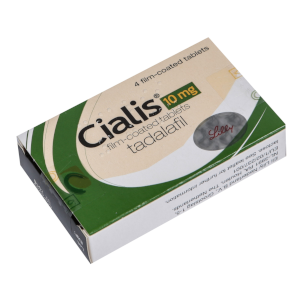
Cialis is a prescription medication used primarily to treat erectile dysfunction (ED), a condition characterized by difficulty achieving or maintaining an erection suitable for sexual activity. Its active ingredient is tadalafil, a long‑acting phosphodiesterase type 5 (PDE5) inhibitor. Since its approval in the early 2000s, it has become one of the most widely recognized treatments for ED due to its extended duration of action (NHS overview).
Tadalafil works by supporting the natural physiological processes that regulate blood flow in the penile tissue. It enhances the effect of nitric oxide, a signaling molecule released during sexual stimulation, which helps relax smooth muscle and improve circulation. Unlike some other ED medications, tadalafil remains active in the body for a longer period, allowing greater flexibility in timing.
Cialis is also approved for the treatment of benign prostatic hyperplasia (BPH), where it can help reduce urinary symptoms associated with prostate enlargement. Its dual indications make it a significant medication within urology and sexual health. Despite its broad use, it is taken only under medical supervision to ensure safety and suitability for individual health conditions.
Mechanism of Action
Cialis works by inhibiting PDE5, an enzyme that breaks down cGMP, a molecule responsible for regulating blood flow in the penile tissue. By blocking PDE5, tadalafil allows cGMP levels to remain elevated for longer, helping the smooth muscle in blood vessel walls relax more effectively (mechanism overview).
This leads to increased blood flow to the penis during sexual stimulation, supporting the body’s natural ability to achieve and maintain an erection. The effect is physiological rather than hormonal, enhancing the normal erectile response without creating arousal on its own.
Who Should Use It
Cialis may be suitable for adults with mild to moderate erectile dysfunction who want a treatment that offers a longer window of effectiveness. It can also be considered by individuals who prefer flexible timing or who benefit from its additional use in managing urinary symptoms related to benign prostatic hyperplasia. A healthcare professional can help determine whether tadalafil is appropriate based on overall health and medication history.
It is not recommended for people who take nitrate‑based medications, have certain cardiovascular conditions, or have been advised to avoid sexual activity for medical reasons. Individuals with significant liver or kidney impairment, or those experiencing unexplained symptoms, should seek medical consultation before using Cialis to ensure safe and appropriate use (FDA safety information).
Pharmacodynamics of Cialis (Tadalafil)
The pharmacodynamic profile of Cialis is defined by selective inhibition of the PDE5 enzyme within penile smooth‑muscle tissue, enhancing nitric oxide–mediated cGMP accumulation. This mechanism facilitates sustained vasodilation and improved erectile response during sexual stimulation. Unlike shorter‑acting PDE5 inhibitors, tadalafil exhibits prolonged receptor engagement, contributing to its extended therapeutic window.
Cialis demonstrates high affinity for PDE5 with minimal activity on related phosphodiesterase isoenzymes, supporting a favorable vascular selectivity profile. The extended duration of action is attributed to tadalafil’s slow dissociation rate from PDE5 and its long elimination half‑life, enabling both on‑demand and once‑daily use. These pharmacodynamic characteristics underpin Cialis’s reputation as a long‑acting ED therapy.
| Pharmacodynamic Parameter | Characteristic |
|---|---|
| PDE5 selectivity | High affinity with minimal off‑target activity |
| Mechanism of action | Enhances NO‑mediated cGMP accumulation in penile tissue |
| Onset dependency | Requires sexual stimulation to activate NO release |
| Duration of effect | Up to 36 hours due to prolonged PDE5 binding |
| Vascular selectivity | Favors penile smooth muscle with limited systemic vasodilation |
These pharmacodynamic properties explain Cialis’s extended activity window and its suitability for both planned and spontaneous sexual activity. The prolonged PDE5 inhibition differentiates tadalafil from shorter‑acting agents and supports its dual dosing strategies.
Pharmacokinetics of Cialis (Tadalafil)
The pharmacokinetic behavior of Cialis is characterized by efficient oral absorption, high bioavailability, and a long elimination half‑life that supports once‑daily or on‑demand use. Tadalafil reaches peak plasma concentration within a predictable timeframe and maintains stable systemic levels due to slow metabolic clearance via the hepatic CYP3A4 pathway. These properties contribute to its extended duration of action and reduced sensitivity to food intake.
Tadalafil’s long half‑life enables sustained PDE5 inhibition, distinguishing Cialis from shorter‑acting sildenafil‑based therapies. The medication undergoes hepatic metabolism with inactive metabolites excreted primarily through fecal pathways. Its pharmacokinetic stability supports consistent performance across a wide range of real‑world conditions.
| Pharmacokinetic Parameter | Characteristic |
|---|---|
| Absorption | Rapid; minimally affected by food |
| Bioavailability | High systemic availability after oral dosing |
| Time to peak concentration (Tmax) | Typically 2 hours |
| Metabolism | Primarily via CYP3A4 hepatic pathway |
| Elimination half‑life | Approximately 17.5 hours |
| Excretion | Predominantly fecal; minor renal contribution |
These pharmacokinetic characteristics explain Cialis’s long duration, stable performance, and suitability for flexible dosing schedules. The extended half‑life and minimal food interaction differentiate tadalafil from other PDE5 inhibitors and support its unique therapeutic positioning.
Absorption Profile of Cialis (Tadalafil)
The absorption characteristics of Cialis reflect tadalafil’s stable pharmacokinetic behavior, defined by efficient gastrointestinal uptake and minimal sensitivity to food intake. After oral administration, tadalafil reaches systemic circulation within a predictable timeframe, supporting both on‑demand and once‑daily use. Unlike sildenafil‑based therapies, Cialis maintains consistent absorption even when taken with meals, including high‑fat foods.
The absorption phase determines how quickly tadalafil achieves effective plasma concentrations and how soon users may experience functional responsiveness during sexual stimulation. Its slow, steady absorption contributes to the extended therapeutic window that distinguishes Cialis from shorter‑acting PDE5 inhibitors.
| Absorption Parameter | Characteristic |
|---|---|
| Initial uptake | Detectable plasma levels within 30 minutes |
| Peak concentration (Tmax) | Approximately 2 hours |
| Effect of food | Minimal impact; high‑fat meals do not delay absorption |
| Bioavailability | High systemic availability with stable plasma levels |
These absorption characteristics explain why Cialis is flexible in timing and unaffected by dietary conditions, supporting its use in both planned and spontaneous scenarios.
Onset & Duration Variability of Cialis (Tadalafil)
The onset and duration of Cialis reflect tadalafil’s long half‑life and stable pharmacokinetic profile. While many users experience onset within a predictable window, real‑world variability occurs due to physiological, metabolic, and behavioral factors. Cialis’s extended duration—up to 36 hours—is a defining characteristic that differentiates it from shorter‑acting PDE5 inhibitors.
Variability in onset and duration is influenced by vascular responsiveness, metabolic rate, psychological readiness, and lifestyle conditions. These factors shape how quickly tadalafil becomes active and how long its effects persist during sexual stimulation.
| Parameter | Typical Range | Influencing Factors |
|---|---|---|
| Onset of action | 30–60 minutes | Metabolism, stimulation level, vascular tone |
| Peak effect | 2 hours | Absorption rate, psychological readiness |
| Functional duration | Up to 36 hours | Metabolic speed, vascular health, lifestyle factors |
Onset Variability
The time required for Cialis to begin producing a functional response depends on how quickly tadalafil reaches effective plasma levels and how efficiently erectile tissues respond to nitric oxide signaling. While onset is generally consistent, several factors may shift the response window.
- Metabolic rate — faster metabolism may shorten onset; slower metabolism may prolong it.
- Level of sexual stimulation — tadalafil requires arousal to activate the NO–cGMP pathway.
- Psychological state — stress or performance anxiety may delay perceived onset.
- Alcohol intake — higher amounts may blunt vascular responsiveness.
Duration Variability
The duration of Cialis’s effect is shaped by tadalafil’s long half‑life and sustained PDE5 inhibition. While many users experience consistent long‑lasting activity, real‑world duration may vary.
- Hepatic metabolism speed — slower clearance extends duration; faster clearance shortens it.
- Vascular health — endothelial function influences how long PDE5 inhibition remains effective.
- Comorbid conditions — hypertension, diabetes, and metabolic syndrome may reduce duration.
- Alcohol consumption — excessive intake may shorten perceived effect.
Together, these onset and duration variables explain why Cialis’s performance, while generally predictable, may differ across individuals and scenarios.
Lifestyle Factors Influencing Cialis (Tadalafil) Response
The real‑world effectiveness of Cialis is shaped by lifestyle conditions that influence vascular tone, metabolic activity, and nitric oxide–mediated erectile signaling. While tadalafil maintains a stable pharmacological profile, these external factors can shift onset, intensity, and perceived duration of effect.
Understanding lifestyle influences helps contextualize why Cialis may perform differently across situations, even when dosing and timing remain consistent. These factors do not alter tadalafil’s mechanism but shape the physiological environment in which it operates.
- Alcohol consumption — moderate intake has limited impact; higher amounts may reduce erectile responsiveness.
- Dietary habits — unlike sildenafil, Cialis is minimally affected by food, but heavy meals may influence overall comfort and arousal.
- Physical activity — regular exercise supports endothelial health and may enhance consistency of response.
- Sleep quality — insufficient rest can impair hormonal balance and reduce erectile signaling efficiency.
- Stress and psychological load — elevated stress may interfere with nitric oxide release.
- Smoking — chronic nicotine exposure may diminish vascular elasticity and blunt PDE5 inhibitor effectiveness.
- Body weight and metabolic health — metabolic syndrome and insulin resistance may reduce vascular responsiveness.
These lifestyle factors help explain real‑world variability in Cialis’s performance and highlight the importance of physiological and behavioral context.
Food & Alcohol
The interaction between Cialis and dietary conditions is defined by tadalafil’s stable absorption profile, which remains largely unaffected by food intake. Unlike shorter‑acting PDE5 inhibitors, tadalafil maintains consistent pharmacokinetic behavior even when taken with high‑fat meals. This stability supports flexible timing and reduces onset variability in real‑world use.
Alcohol interacts with Cialis primarily through its influence on vascular responsiveness and central arousal pathways. While moderate intake typically has limited impact on tadalafil’s pharmacodynamic effect, higher amounts may reduce erectile signaling efficiency and increase the likelihood of dizziness. These influences are behavioral rather than pharmacological, reflecting alcohol’s independent effects on erectile function.
- High‑fat meals — minimal impact on absorption; Cialis remains consistent.
- Large meals — may affect comfort and arousal but not tadalafil uptake.
- Moderate alcohol intake — generally limited influence on tadalafil’s mechanism.
- High alcohol consumption — may weaken erectile response and increase dizziness.
- Hydration status — dehydration may reduce vascular tone and perceived effectiveness.
- Timing relative to meals — Cialis does not require fasting conditions.
These food‑ and alcohol‑related influences help explain why Cialis is considered a flexible, lifestyle‑compatible ED therapy with minimal dietary restrictions.
Suitability Profiles for Cialis (Tadalafil)
The suitability of Cialis is shaped by tadalafil’s long half‑life, stable absorption, and sustained PDE5 inhibition. These characteristics make Cialis appropriate for a wide range of erectile dysfunction scenarios, particularly those requiring flexibility, spontaneity, or consistent daily support. Suitability profiles reflect general pharmacological principles rather than individualized medical guidance.
Understanding these profiles helps contextualize when Cialis is likely to perform predictably and when external factors may influence its real‑world effect. These suitability considerations align with patterns observed in clinical and observational settings.
- Users seeking long‑lasting effect — Cialis’s 36‑hour window supports extended flexibility.
- Those with frequent or recurring ED — daily dosing option supports consistent readiness.
- Individuals with stable cardiovascular status — aligns with general safety expectations for sexual activity.
- Users preferring minimal dietary restrictions — tadalafil is not affected by food intake.
- Those responsive to stimulation‑dependent therapies — Cialis requires arousal to activate the NO–cGMP pathway.
- Users with irregular schedules — long duration supports spontaneous activity.
- Individuals seeking a low‑maintenance regimen — daily dosing provides continuous PDE5 inhibition.
These suitability profiles outline general conditions under which Cialis tends to perform consistently, reflecting its unique pharmacological positioning among ED therapies.
Real‑World Use Scenarios for Cialis (Tadalafil)
Cialis is widely used in real‑world scenarios that benefit from its long duration, stable absorption, and flexible dosing options. Its pharmacological profile supports both planned and spontaneous sexual activity, making it suitable for users with varied schedules and preferences. These patterns reflect how tadalafil behaves under typical lifestyle conditions.
Real‑world use is shaped by timing, environment, and physiological readiness. While Cialis maintains a consistent mechanism of action, the surrounding behavioral context influences how reliably the effect is perceived. These scenarios illustrate common patterns observed across diverse user groups.
- “Weekend pill” scenarios — long duration supports extended flexibility without repeated dosing.
- Busy or unpredictable schedules — users benefit from spontaneous readiness.
- Frequent sexual activity — daily dosing maintains continuous PDE5 inhibition.
- Occasional ED episodes — on‑demand dosing supports event‑driven use.
- Use alongside lifestyle improvements — exercise, reduced stress, and better sleep may enhance perceived effect.
- Situations requiring minimal planning — Cialis’s long window reduces timing pressure.
- Contexts with food or alcohol present — tadalafil’s absorption stability supports flexible use.
These real‑world scenarios highlight Cialis’s role as a flexible, long‑acting ED therapy that adapts well to diverse lifestyle patterns.
Preparation for Use of Cialis (Tadalafil)
Preparation for using Cialis focuses on creating physiological and behavioral conditions that support predictable engagement of the nitric oxide–cGMP pathway characteristic of PDE5 inhibitors. While tadalafil maintains a stable pharmacological profile, real‑world effectiveness depends on timing, environment, and readiness for sexual stimulation. These elements influence how quickly Cialis becomes active and how consistently its long duration is perceived.
Preparing for use involves considering factors that affect vascular responsiveness, psychological comfort, and metabolic conditions. These influences do not alter tadalafil’s mechanism but shape the environment in which Cialis produces its expected effect. Aligning these elements helps reduce onset variability and supports a more predictable experience.
- Allow adequate time before activity — onset typically occurs within 30–60 minutes.
- No need to avoid food — tadalafil absorption is minimally affected by meals.
- Moderate alcohol intake — higher amounts may reduce erectile responsiveness.
- Ensure a comfortable environment — psychological comfort supports nitric oxide release.
- Manage stress and fatigue — elevated stress may interfere with erectile signaling.
- Support general readiness — hydration, rest, and relaxed conditions contribute to consistent outcomes.
- Engage in adequate sexual stimulation — Cialis requires arousal to activate the NO–cGMP pathway.
These preparation principles help contextualize how Cialis performs in everyday scenarios, reflecting general pharmacological and behavioral considerations rather than individualized medical guidance.
Clinical Evidence for Cialis (Tadalafil)
The clinical evidence supporting Cialis is based on extensive research evaluating tadalafil across diverse populations with erectile dysfunction. Studies consistently demonstrate improvements in erectile function, penile rigidity, and successful intercourse attempts, with outcomes strongly correlated to enhanced nitric oxide–cGMP signaling. These findings establish tadalafil as a reliable long‑acting therapy with predictable vascular and functional effects.
Across controlled trials, Cialis shows a favorable safety and tolerability profile, with most adverse events classified as mild and transient. Its effectiveness is observed across etiologies including psychogenic, vasculogenic, and mixed ED. Real‑world observational data further confirm consistent performance under typical lifestyle conditions, supporting both on‑demand and daily dosing strategies.
| Clinical Endpoint | Observed Outcome |
|---|---|
| Improvement in erectile function scores | Significant increases across mild, moderate, and severe ED categories |
| Successful intercourse attempts | Higher success rates compared to placebo across all dosing ranges |
| Onset consistency | Predictable onset within 30–60 minutes |
| Duration of effect | Functional activity maintained for up to 36 hours |
| Tolerability | Mostly mild, transient effects such as flushing or headache |
Key insights from clinical and observational evidence include:
- Consistent efficacy across etiologies — effective in vasculogenic, psychogenic, and mixed ED.
- Predictable pharmacodynamic response — reliable engagement of the NO–cGMP pathway during stimulation.
- Stable safety profile — adverse events are typically mild and dose‑dependent.
- High user satisfaction — real‑world data show strong adherence and positive functional outcomes.
- Performance influenced by lifestyle factors — food, alcohol, stress, and metabolic health affect perceived effectiveness.
These clinical findings position Cialis as a well‑supported, evidence‑based option for long‑acting erectile dysfunction management.
Regulatory Status of Cialis (Tadalafil)
Cialis holds a well‑defined regulatory position as an FDA‑approved erectile dysfunction therapy containing tadalafil, a selective PDE5 inhibitor. Its approval is based on extensive clinical evidence demonstrating safety, efficacy, and predictable pharmacodynamic behavior. Regulatory frameworks across major markets classify Cialis as a prescription medication, reflecting its controlled use and established therapeutic profile.
Global regulatory agencies recognize tadalafil as a validated treatment for erectile dysfunction and, in some regions, benign prostatic hyperplasia. While generic tadalafil is widely available, branded Cialis maintains distinct regulatory labeling, manufacturing standards, and quality controls. These regulatory distinctions shape how Cialis is positioned and accessed across international markets.
| Regulatory Aspect | Status |
|---|---|
| FDA approval | Approved for erectile dysfunction and BPH |
| EMA approval | Authorized across EU member states |
| Prescription classification | Prescription‑only in most jurisdictions |
| Active ingredient | Tadalafil (validated PDE5 inhibitor) |
| Manufacturing standards | Produced under strict GMP and brand‑specific quality controls |
| Global availability | Widely available through regulated pharmacy channels |
These regulatory characteristics position Cialis as a globally recognized, clinically validated ED therapy with consistent quality and controlled distribution.
Storage & Handling of Cialis (Tadalafil)
Proper storage and handling of Cialis help maintain the stability of tadalafil and preserve the medication’s expected pharmacological activity. As with other PDE5 inhibitors, exposure to heat, moisture, or direct sunlight may degrade the active ingredient or compromise tablet integrity. Ensuring appropriate storage conditions supports consistent performance throughout the product’s shelf life.
Handling considerations focus on maintaining the physical condition of the tablets and preventing contamination. Cialis does not require refrigeration or specialized storage, but adherence to standard pharmaceutical handling practices helps preserve quality, especially for users who store medication for occasional or long‑term use.
| Storage / Handling Aspect | Recommended Practice |
|---|---|
| Temperature range | Store at 20–25°C (68–77°F); avoid excessive heat |
| Humidity exposure | Keep in a dry place; avoid damp environments |
| Light exposure | Protect from direct sunlight |
| Container | Keep tablets in original packaging until use |
| Handling | Avoid touching tablets with wet hands |
| Child safety | Store out of reach of children and pets |
| Disposal | Follow local guidelines; avoid flushing |
These storage and handling recommendations help preserve Cialis’s stability and ensure that tadalafil maintains its expected potency throughout its shelf life.
Drug Interactions Overview for Cialis (Tadalafil)
The interaction profile of Cialis reflects tadalafil’s pharmacology as a selective PDE5 inhibitor whose activity depends on nitric oxide–mediated cGMP signaling. Certain medications and substances can influence this pathway, alter systemic exposure, or affect vascular responsiveness. These interactions do not change tadalafil’s mechanism but may shift onset, intensity, or duration of effect. Understanding these categories helps contextualize Cialis’s behavior in real‑world scenarios.
Most interactions fall into predictable pharmacokinetic or pharmacodynamic groups, including agents that affect CYP3A4 metabolism, substances that influence blood pressure regulation, and compounds that modify vascular tone. These categories reflect general principles observed across tadalafil‑based therapies.
| Interaction Category | General Effect |
|---|---|
| Nitrate‑based medications | May amplify blood‑pressure‑lowering effects due to combined vasodilation |
| Alpha‑blockers | Potential for additive vascular effects influencing blood pressure |
| CYP3A4 inhibitors | May increase tadalafil exposure by slowing metabolic clearance |
| CYP3A4 inducers | May reduce systemic levels and shorten functional duration |
| Antihypertensive agents | Possible additive effects on vascular tone and blood pressure |
| Alcohol | Higher intake may reduce erectile responsiveness and increase dizziness |
| Recreational substances | May alter vascular or neurological pathways relevant to erectile signaling |
These interaction categories outline the general patterns that influence Cialis’s real‑world performance, reflecting pharmacokinetic and pharmacodynamic principles rather than individualized recommendations.
How to Buy Cialis (Tadalafil)
The commercial availability of Cialis reflects its status as a branded, FDA‑approved tadalafil formulation positioned within the global erectile dysfunction therapy market. Its commercial profile is shaped by regulatory controls, brand recognition, manufacturing standards, and the coexistence of generic tadalafil alternatives. These factors influence how Cialis is marketed, priced, and accessed across different regions.
Understanding the commercial context helps clarify why Cialis appears across regulated pharmacy networks and why availability varies depending on local prescription requirements. These dynamics relate to market structure, brand positioning, and regional compliance frameworks rather than individualized purchasing guidance.
| Commercial Aspect | General Context |
|---|---|
| Market positioning | Premium branded tadalafil option within ED therapy category |
| Distribution model | Available through regulated pharmacy channels worldwide |
| Regulatory variability | Prescription requirements differ by country |
| Brand vs generic differentiation | Brand maintains distinct labeling, quality controls, and pricing |
| Commercial presentation | Listed alongside other ED therapies with emphasis on long duration |
| Documentation requirements | Prescription verification typically required in regulated markets |
These commercial characteristics outline how Cialis is positioned within the global pharmaceutical marketplace, reflecting brand‑specific regulatory and distribution dynamics.