Dapoxetine — Fast‑Acting PE Treatment (On‑Demand SSRI) Clinical Guide
Uses, mechanism, safety, and comparisons
Dapoxetine is a short‑acting SSRI used for the treatment of premature ejaculation. It works by increasing serotonin activity in the nervous system, helping improve control over ejaculation and extend time to climax. This mechanism supports better timing and more confidence during sexual activity.
Table of Contents
What is Dapoxetine? Mechanism of Action Who Should Use It Pharmacodynamics Pharmacokinetics Absorption Profile Onset & Duration Variability Lifestyle Factors Food & Alcohol Suitability Profiles Real‑World Use Preparation for Use Clinical Evidence Regulatory Status Storage & Handling Drug Interactions Overview How to Buy Dapoxetine Online FAQWhat is Dapoxetine?
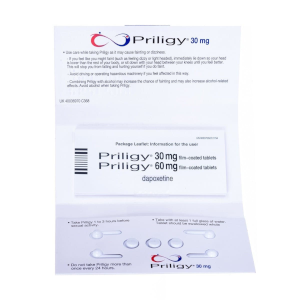
Dapoxetine is a medication used for the treatment of premature ejaculation in adult men. It belongs to the class of selective serotonin reuptake inhibitors (SSRIs) but differs from traditional antidepressant SSRIs because it is designed for rapid absorption and short‑term use. This makes it suitable for on‑demand dosing rather than daily administration.
The medication is typically taken before anticipated sexual activity to help improve control over ejaculation. Dapoxetine has been studied extensively in the context of sexual medicine and is recognized as one of the first pharmacological options developed specifically for premature ejaculation. Its use is generally recommended following a clinical assessment to determine suitability and rule out underlying conditions.
Mechanism of Action
Dapoxetine works by inhibiting the reuptake of serotonin, a neurotransmitter involved in regulating mood and certain reflex pathways, including those that control ejaculation. By increasing serotonin activity in key neural circuits, the medication helps delay the ejaculatory reflex during sexual stimulation.
This results in improved control over ejaculation and an extended time to climax. The effect is dependent on sexual arousal and does not induce stimulation on its own, instead supporting the body’s natural physiological response.
Who Should Use It
Dapoxetine may be suitable for adult men experiencing persistent or recurrent premature ejaculation, especially those who benefit from an on‑demand treatment that enhances timing and control. It can be considered for individuals with mild to moderate symptoms after discussing treatment options with a healthcare professional.
However, Dapoxetine is not appropriate for everyone. It may be unsuitable for individuals with certain heart conditions, significant liver impairment, or those taking medications that affect serotonin levels. Men with a history of fainting, specific psychiatric conditions, or unstable medical issues should undergo careful evaluation before use. A medical consultation is essential to confirm safety and determine whether Dapoxetine is an appropriate option.
Pharmacodynamics of Dapoxetine
Dapoxetine is a short‑acting selective serotonin reuptake inhibitor (SSRI) designed specifically for the on‑demand management of premature ejaculation. Its pharmacodynamic effect is based on rapid inhibition of serotonin reuptake in key neural pathways that regulate ejaculatory latency. This increases synaptic serotonin levels, enhancing central control over the ejaculatory reflex.
Unlike conventional SSRIs, which require chronic administration, dapoxetine exhibits fast engagement and rapid clearance, enabling event‑driven use. Its short duration minimizes long‑term serotonergic accumulation while providing targeted modulation of ejaculatory timing during sexual activity.
| Pharmacodynamic Parameter | Characteristic |
|---|---|
| Primary mechanism | Rapid serotonin reuptake inhibition in ejaculatory control pathways |
| Onset dependency | Requires sexual stimulation to activate ejaculatory reflex modulation |
| Central effect | Delays ejaculation by enhancing serotonergic signaling |
| Duration of effect | Short‑acting; optimized for single‑dose, event‑driven use |
| Off‑target activity | Minimal compared to long‑acting SSRIs |
These pharmacodynamic properties explain why dapoxetine is uniquely suited for on‑demand PE management and why it differs fundamentally from traditional SSRIs used for mood disorders.
Pharmacokinetics of Dapoxetine
Dapoxetine demonstrates rapid absorption, high peak plasma levels, and fast elimination, supporting its role as an event‑driven therapy. After oral administration, it reaches peak concentration quickly, enabling functional effects within a short timeframe. Metabolism occurs primarily through hepatic pathways involving CYP2D6 and CYP3A4, producing active and inactive metabolites.
The short elimination half‑life distinguishes dapoxetine from conventional SSRIs, preventing long‑term accumulation and reducing the risk of chronic serotonergic effects. This pharmacokinetic profile aligns with its intended use as a flexible, on‑demand PE therapy.
| Pharmacokinetic Parameter | Characteristic |
|---|---|
| Absorption | Rapid; functional levels achieved within 1 hour |
| Peak concentration (Tmax) | 1–2 hours |
| Metabolism | Primarily via CYP2D6 and CYP3A4 |
| Elimination half‑life | Short; approximately 1.5 hours (initial), 8–10 hours (terminal) |
| Excretion | Renal and fecal pathways |
These pharmacokinetic characteristics explain dapoxetine’s rapid onset, short duration, and suitability for single‑dose, event‑driven use.
Absorption Profile of Dapoxetine
Dapoxetine’s absorption profile is defined by fast gastrointestinal uptake and efficient systemic distribution. After oral administration, plasma levels rise quickly, supporting its use 1–3 hours before sexual activity. Food has limited impact on overall exposure, though high‑fat meals may slightly delay peak concentration without reducing total absorption.
The rapid absorption phase is essential for dapoxetine’s clinical role, enabling timely modulation of serotonergic pathways involved in ejaculatory control. This distinguishes it from traditional SSRIs, which require chronic dosing to achieve therapeutic levels.
| Absorption Parameter | Characteristic |
|---|---|
| Initial uptake | Detectable plasma levels within 30–60 minutes |
| Peak concentration (Tmax) | 1–2 hours under typical conditions |
| Effect of food | Minimal impact; slight delay possible with high‑fat meals |
| Bioavailability | High systemic availability after oral dosing |
These absorption characteristics support dapoxetine’s role as a fast‑acting, event‑driven therapy for premature ejaculation.
Onset & Duration Variability of Dapoxetine
The onset and duration of dapoxetine reflect its rapid absorption and short elimination half‑life. Most users experience functional effects within 1 hour, with duration typically lasting 4–6 hours. However, real‑world variability occurs due to metabolic, psychological, and lifestyle factors that influence serotonergic signaling and ejaculatory control.
Variability in onset and duration is shaped by metabolic rate, CYP2D6 phenotype, stress levels, alcohol intake, and overall sexual stimulation. These factors determine how quickly dapoxetine becomes active and how long its effects persist during sexual activity.
| Parameter | Typical Range | Influencing Factors |
|---|---|---|
| Onset of action | 30–60 minutes | Metabolism, stimulation, psychological readiness |
| Peak effect | 1–2 hours | Absorption rate, food intake |
| Functional duration | 4–6 hours | CYP2D6 phenotype, alcohol, stress |
Onset Variability
The time required for dapoxetine to produce a functional response depends on how quickly serotonergic modulation occurs and how efficiently the ejaculatory reflex responds to increased serotonin levels.
- Metabolic rate — fast metabolizers may experience shorter onset; slow metabolizers may experience longer onset.
- Level of sexual stimulation — adequate arousal is required for ejaculatory reflex modulation.
- Psychological state — anxiety or stress may delay perceived onset.
- Alcohol intake — higher amounts may blunt serotonergic response.
Duration Variability
The duration of dapoxetine’s effect is shaped by its rapid clearance and individual differences in serotonergic sensitivity.
- CYP2D6 phenotype — poor metabolizers may experience longer duration.
- Stress levels — high stress may shorten perceived effect.
- Alcohol consumption — excessive intake may reduce duration.
- Overall sexual context — arousal quality influences functional duration.
These onset and duration variables explain why dapoxetine’s performance, while generally predictable, may differ across individuals and scenarios.
Lifestyle Factors Influencing Dapoxetine Response
The real‑world effectiveness of Dapoxetine is shaped by lifestyle conditions that influence serotonergic signaling, stress response, and overall sexual performance. While the medication maintains a consistent pharmacological profile as a short‑acting SSRI, external behavioral and physiological factors can shift onset, intensity, and perceived duration of effect.
These influences do not alter Dapoxetine’s mechanism but shape the environment in which serotonergic modulation occurs. Understanding these factors helps contextualize variability in ejaculatory control across different situations.
- Alcohol consumption — moderate intake has limited impact; higher amounts may blunt serotonergic response.
- Stress and anxiety — elevated stress can reduce perceived effectiveness by interfering with central control of ejaculation.
- Sleep quality — insufficient rest may impair neurotransmitter balance and reduce response consistency.
- Physical activity — regular exercise supports neurochemical stability and may enhance response.
- Smoking — chronic nicotine exposure may alter vascular and neurological responsiveness.
- Dietary habits — heavy meals may slightly delay absorption but do not reduce total exposure.
- Psychological readiness — performance anxiety can override pharmacological modulation.
These lifestyle factors help explain why Dapoxetine’s performance may vary across real‑world contexts, even with consistent dosing and timing.
Food & Alcohol
Dapoxetine’s interaction with food and alcohol reflects its rapid absorption and short‑acting pharmacokinetic profile. Food has minimal impact on overall exposure, though high‑fat meals may slightly delay peak concentration. Alcohol interacts primarily through its effects on central nervous system function and ejaculatory control rather than through direct pharmacokinetic interference.
Understanding these influences helps clarify how dietary and behavioral conditions shape real‑world performance without altering Dapoxetine’s core mechanism as a short‑acting SSRI.
- High‑fat meals — may delay peak concentration but do not reduce total absorption.
- Large meals — may affect comfort and arousal but not pharmacological activity.
- Moderate alcohol intake — generally limited impact on serotonergic modulation.
- High alcohol consumption — may reduce ejaculatory control and increase dizziness.
- Hydration status — dehydration may impair overall sexual performance.
- Timing relative to meals — Dapoxetine does not require fasting conditions.
These food‑ and alcohol‑related influences support Dapoxetine’s role as a flexible, event‑driven therapy with minimal dietary restrictions.
Suitability Profiles for Dapoxetine
Dapoxetine is suited for individuals seeking rapid, event‑driven control over premature ejaculation. Its short‑acting pharmacological profile and fast onset make it appropriate for users who prefer flexible timing and minimal long‑term serotonergic exposure. Suitability profiles reflect general patterns observed in clinical and real‑world settings.
These profiles help contextualize when Dapoxetine is likely to perform predictably and when external factors may influence its effect. They do not represent individualized medical guidance but outline typical user categories.
- Men with lifelong or acquired premature ejaculation — rapid serotonergic modulation supports ejaculatory delay.
- Users preferring on‑demand therapy — short duration avoids chronic SSRI accumulation.
- Individuals with predictable sexual activity patterns — aligns with event‑driven dosing.
- Those sensitive to long‑acting SSRIs — Dapoxetine minimizes prolonged serotonergic exposure.
- Users with performance‑related anxiety — central modulation may improve ejaculatory control.
- Men seeking minimal lifestyle restrictions — food has limited impact; moderate alcohol is generally tolerated.
- Individuals with stable cardiovascular status — aligns with general safety expectations for sexual activity.
These suitability patterns highlight Dapoxetine’s role as a targeted, flexible therapy for premature ejaculation.
Real‑World Use Scenarios for Dapoxetine
Dapoxetine is widely used in real‑world scenarios that require rapid, event‑driven control of premature ejaculation. Its fast onset, short duration, and flexible dosing window support use in diverse sexual contexts. These patterns reflect how Dapoxetine behaves under typical lifestyle conditions.
Real‑world use is shaped by timing, psychological readiness, and the user’s sexual environment. While Dapoxetine maintains a consistent mechanism of action, behavioral and physiological factors influence how reliably the effect is perceived.
- Event‑driven sexual activity — taken 1–3 hours before intercourse for predictable control.
- Situations requiring rapid onset — fast absorption supports timely ejaculatory delay.
- Users with inconsistent schedules — short duration avoids long‑term serotonergic effects.
- Contexts involving moderate alcohol — generally compatible with Dapoxetine’s profile.
- Performance‑related scenarios — central modulation may improve confidence and control.
- Occasional PE episodes — suitable for intermittent, non‑daily use.
- Use alongside lifestyle improvements — stress reduction and better sleep may enhance perceived effect.
These real‑world scenarios highlight Dapoxetine’s role as a flexible, fast‑acting therapy that adapts well to diverse sexual and lifestyle patterns.
Preparation for Use of Dapoxetine
Preparation for using Dapoxetine focuses on creating physiological and behavioral conditions that support predictable engagement of its short‑acting serotonergic mechanism. As a rapid‑onset SSRI, Dapoxetine requires adequate timing, psychological readiness, and a stable environment to modulate ejaculatory control effectively. These factors influence how quickly the medication becomes active and how consistently its effect is perceived.
Preparing for use involves considering elements that affect absorption, central nervous system responsiveness, and overall sexual context. These influences do not alter Dapoxetine’s mechanism but shape the environment in which serotonergic modulation occurs, helping reduce onset variability and support a more predictable experience.
- Allow adequate time before activity — functional onset typically occurs within 1 hour.
- Take with or without food — meals have minimal impact on overall exposure.
- Moderate alcohol intake — higher amounts may reduce ejaculatory control.
- Ensure psychological comfort — stress reduction supports serotonergic responsiveness.
- Manage fatigue — low energy may impair sexual performance independent of medication.
- Support general readiness — hydration, rest, and relaxed conditions contribute to consistent outcomes.
- Engage in adequate sexual stimulation — Dapoxetine modulates the ejaculatory reflex during arousal.
These preparation principles help contextualize how Dapoxetine performs in everyday scenarios, reflecting general pharmacological and behavioral considerations rather than individualized medical guidance.
Clinical Evidence for Dapoxetine
The clinical evidence supporting Dapoxetine is based on extensive research evaluating its efficacy as a short‑acting SSRI for premature ejaculation. Studies consistently demonstrate significant increases in intravaginal ejaculatory latency time (IELT), improved control over ejaculation, and enhanced sexual satisfaction for both partners. These outcomes correlate with rapid serotonergic modulation in neural pathways governing the ejaculatory reflex.
Across controlled trials, Dapoxetine shows a favorable safety and tolerability profile, with most adverse events classified as mild and transient. Its rapid onset and short duration distinguish it from conventional SSRIs, enabling event‑driven use without long‑term serotonergic accumulation. Real‑world observational data confirm consistent performance across diverse user groups.
| Clinical Endpoint | Observed Outcome |
|---|---|
| Increase in IELT | Significant improvement compared to placebo across dosing ranges |
| Control over ejaculation | Marked enhancement in perceived control and delay |
| Onset consistency | Predictable onset within 1 hour under typical conditions |
| Duration of effect | Functional activity maintained for 4–6 hours |
| Tolerability | Mostly mild, transient effects such as nausea or dizziness |
Key insights from clinical and observational evidence include:
- Consistent efficacy across PE types — effective in lifelong and acquired premature ejaculation.
- Predictable pharmacodynamic response — rapid serotonergic modulation supports event‑driven use.
- Stable safety profile — adverse events are typically mild and dose‑dependent.
- High user satisfaction — real‑world data show strong adherence and positive functional outcomes.
- Performance influenced by lifestyle factors — alcohol, stress, and psychological context affect perceived effectiveness.
These clinical findings position Dapoxetine as a well‑supported, evidence‑based option for event‑driven management of premature ejaculation.
Regulatory Status of Dapoxetine
Dapoxetine holds a unique regulatory position as the first medication specifically developed and approved for premature ejaculation. It is authorized in numerous countries across Europe, Asia, and Latin America, where regulatory agencies recognize its safety and efficacy profile. However, Dapoxetine is not approved by the U.S. FDA, reflecting regional differences in regulatory pathways rather than pharmacological limitations.
Global regulatory frameworks classify Dapoxetine as a prescription medication due to its serotonergic activity and event‑driven use profile. Manufacturing standards follow established pharmaceutical quality controls, and labeling requirements emphasize timing, dosing, and safety considerations relevant to short‑acting SSRIs.
| Regulatory Aspect | Status |
|---|---|
| Approval in EU | Authorized for premature ejaculation |
| FDA approval | Not approved in the United States |
| Prescription classification | Prescription‑only in most jurisdictions |
| Active ingredient | Dapoxetine hydrochloride (short‑acting SSRI) |
| Manufacturing standards | Produced under GMP and region‑specific quality controls |
| Global availability | Widely available through regulated pharmacy channels outside the U.S. |
These regulatory characteristics define Dapoxetine’s global positioning and explain differences in availability across regions, reflecting regulatory pathways rather than pharmacological limitations.
Storage & Handling of Dapoxetine
Proper storage and handling of Dapoxetine help maintain the stability of the active ingredient and preserve its expected pharmacological activity as a short‑acting SSRI. Exposure to heat, moisture, or direct sunlight may degrade tablet integrity or alter dissolution characteristics. Ensuring appropriate storage conditions supports consistent performance during event‑driven use.
Handling considerations focus on maintaining tablet quality and preventing contamination. Dapoxetine does not require refrigeration or specialized storage, but adherence to standard pharmaceutical practices helps preserve potency, especially for users who store medication for intermittent use.
| Storage / Handling Aspect | Recommended Practice |
|---|---|
| Temperature range | Store at 20–25°C (68–77°F); avoid excessive heat |
| Humidity exposure | Keep in a dry place; avoid damp environments |
| Light exposure | Protect from direct sunlight |
| Container | Keep tablets in original packaging until use |
| Handling | Avoid touching tablets with wet hands |
| Child safety | Store out of reach of children and pets |
| Disposal | Follow local guidelines; avoid flushing |
These storage and handling recommendations help preserve Dapoxetine’s stability and ensure consistent performance during event‑driven use.
Drug Interactions Overview for Dapoxetine
The interaction profile of Dapoxetine reflects its pharmacology as a short‑acting SSRI that modulates serotonergic pathways involved in ejaculatory control. Certain medications and substances can influence serotonin levels, CNS responsiveness, or metabolic clearance, potentially altering onset, intensity, or tolerability. These interactions do not change Dapoxetine’s mechanism but may shift real‑world performance.
Most interactions fall into predictable pharmacodynamic or pharmacokinetic groups, including agents that affect serotonin signaling, CYP2D6/CYP3A4 metabolism, or CNS activity. Understanding these categories helps contextualize Dapoxetine’s behavior in everyday scenarios.
| Interaction Category | General Effect |
|---|---|
| Other SSRIs / SNRIs | May increase serotonergic load due to overlapping mechanisms |
| MAO inhibitors | Potential for excessive serotonergic activity |
| CYP2D6 inhibitors | May increase Dapoxetine exposure by slowing metabolism |
| CYP3A4 inhibitors | May elevate plasma levels and prolong effect |
| CYP inducers | May reduce systemic levels and shorten duration |
| Alcohol | Higher intake may reduce ejaculatory control and increase dizziness |
| Recreational substances | May alter CNS pathways relevant to ejaculatory reflex |
These interaction categories outline the general patterns that influence Dapoxetine’s real‑world performance, reflecting pharmacodynamic and metabolic principles rather than individualized recommendations.
How to Buy Dapoxetine Online
The online availability of Dapoxetine reflects its regulatory status and global distribution patterns. In regions where Dapoxetine is approved, it is typically offered through licensed pharmacy platforms that operate under local prescription requirements. Availability varies across countries due to differences in regulatory frameworks, market authorization, and pharmaceutical distribution rules.
This section provides a neutral overview of how Dapoxetine is positioned in online pharmacy environments without offering individualized purchasing guidance. The focus is on commercial context, regulatory variability, and general patterns observed across international markets.
| Commercial Aspect | General Context |
|---|---|
| Market positioning | Short‑acting SSRI for premature ejaculation; often listed in men’s health categories |
| Distribution model | Available through regulated online pharmacies in approved regions |
| Regulatory variability | Availability differs by country; not approved in the U.S. |
| Brand vs generic differentiation | Both branded and generic formulations appear in international markets |
| Prescription requirements | Typically prescription‑only in regulated jurisdictions |
| Commercial presentation | Listed alongside ED and PE therapies with emphasis on rapid onset |
This commercial overview explains how Dapoxetine is positioned within online pharmacy ecosystems, reflecting regulatory and distribution dynamics rather than providing operational purchasing instructions.