Tadalafil — Long‑Acting PDE5 Inhibitor for ED: Full Clinical Guide
Uses, mechanism, safety, and comparisons
Tadalafil is a long‑acting PDE5 inhibitor used for the treatment of erectile dysfunction and related conditions. It works by relaxing blood vessels and increasing blood flow to the penile tissues through PDE5 enzyme inhibition, helping achieve and maintain an erection during sexual stimulation. This mechanism supports a more flexible and extended window of effectiveness.
Table of Contents
What is Tadalafil? Mechanism of Action Who Should Use It Pharmacodynamics & Tissue Selectivity Extended Duration & 36‑Hour Functional Window Food Absorption Daily Use (ED + BPH Dual Mechanism) Erection Quality & Hemodynamic Stability Alcohol Interaction & Real‑World Performance Metabolism & CYP3A4 Pathways Age‑Related Pharmacokinetics Real‑World Use Patterns & Variability Storage & Stability FAQWhat is Tadalafil?
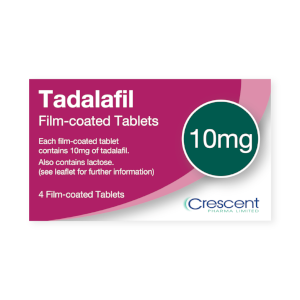
Tadalafil is a medication used in the treatment of erectile dysfunction (ED) and certain urinary symptoms associated with benign prostatic hyperplasia. Its active ingredient, also called tadalafil, belongs to the class of phosphodiesterase type 5 (PDE5) inhibitors. This group of medications supports the physiological mechanisms involved in achieving an erection during sexual stimulation (NHS overview).
Unlike some other PDE5 inhibitors, tadalafil is known for its long duration of action, which allows for more flexibility in timing. It may be taken either as needed or in a once‑daily regimen, depending on clinical guidance. Tadalafil is widely used in sexual medicine and is typically prescribed after a healthcare evaluation to ensure safety and suitability.
Mechanism of Action
Tadalafil works by inhibiting phosphodiesterase type 5 (PDE5), an enzyme that breaks down cyclic GMP in the smooth muscle of penile blood vessels. By reducing PDE5 activity, the medication helps maintain higher levels of cyclic GMP during sexual stimulation (mechanism overview).
This leads to increased blood flow into the erectile tissues, supporting the ability to achieve and maintain an erection. The mechanism enhances natural physiological responses and does not create sexual arousal on its own.
Who Should Use It
Tadalafil may be suitable for adult men experiencing mild to moderate erectile dysfunction, particularly those who prefer a medication with a longer window of effectiveness. It can also be considered for individuals who benefit from daily therapy to support more spontaneous sexual activity. A medical consultation is important to determine the most appropriate dosing approach.
However, tadalafil is not suitable for everyone. It should not be used by individuals taking nitrate‑based medications, those with certain cardiovascular conditions, or people for whom sexual activity is medically unsafe. Men with significant liver or kidney impairment, or those with complex underlying health issues, should undergo clinical evaluation before use. A healthcare professional can help assess whether tadalafil is a safe and appropriate option (FDA safety information).
Pharmacodynamics & Tissue Selectivity of Tadalafil
Tadalafil’s pharmacodynamic profile is defined by high selectivity for PDE5 and exceptionally low affinity for PDE6 and PDE1, resulting in minimal visual effects and reduced systemic vasodilation. Its long half‑life (~17.5 hours) allows sustained cGMP preservation in cavernosal smooth muscle, producing prolonged erectile responsiveness and stable rigidity across extended time windows.
Tadalafil’s vascular selectivity supports strong cavernosal smooth‑muscle relaxation while maintaining hemodynamic stability. Its minimal PDE6 interaction differentiates it from sildenafil, while low PDE1 affinity reduces systemic hypotension risk.
| Pharmacodynamic Parameter | Tadalafil Effect |
|---|---|
| PDE5 selectivity | Very high → strong cavernosal response |
| PDE6 affinity | Minimal → low visual disturbances |
| PDE1 affinity | Low → stable systemic BP |
| cGMP preservation | Prolonged due to long half‑life |
| Rigidity stability | High across extended time windows |
Extended Duration & 36‑Hour Functional Window
Tadalafil’s hallmark is its prolonged functional window of up to 36 hours, driven by its long elimination half‑life and sustained PDE5 inhibition. Unlike sildenafil or avanafil, tadalafil maintains elevated cavernosal responsiveness long after peak plasma concentration declines. This extended window supports spontaneous sexual activity without strict timing.
The 36‑hour effect does not imply continuous erection; instead, tadalafil enhances responsiveness whenever sexual stimulation occurs within the window.
| Duration Parameter | Tadalafil Effect |
|---|---|
| Half‑life | ~17.5 hours |
| Functional window | Up to 36 hours |
| Onset | ~20–40 minutes |
| Peak stability | Long plateau phase |
| Timing flexibility | Very high |
Food Absorption (Tadalafil)
Tadalafil’s absorption is minimally affected by food, including high‑fat meals. This distinguishes it from sildenafil and vardenafil, whose onset and Cmax are significantly delayed by heavy meals. Tadalafil’s lipophilic structure and slower absorption kinetics allow consistent uptake regardless of gastric conditions.
| Food Interaction Parameter | Tadalafil Effect |
|---|---|
| High‑fat meals | No meaningful delay |
| Tmax shift | Minimal |
| Bioavailability | Stable |
| Onset consistency | High |
| Real‑world reliability | Very high |
Daily Use: ED + BPH Dual Mechanism
Tadalafil is the only PDE5 inhibitor approved for daily use, leveraging its long half‑life to maintain steady‑state plasma levels. This supports continuous erectile responsiveness and provides additional benefits for men with benign prostatic hyperplasia (BPH). Daily tadalafil improves lower urinary tract symptoms (LUTS) by relaxing smooth muscle in the prostate and bladder neck.
| Daily‑Use Benefit | Effect |
|---|---|
| Steady‑state PDE5 inhibition | Continuous erectile support |
| BPH symptom relief | Improved urinary flow |
| Timing independence | No need to plan dosing |
| Consistency | Very high day‑to‑day stability |
| Dual indication | ED + LUTS/BPH |
Erection Quality & Hemodynamic Stability
Tadalafil enhances erection quality by increasing intracavernosal pressure, improving venous occlusion, and stabilizing cavernosal smooth‑muscle relaxation. Its long half‑life ensures sustained hemodynamic support, producing consistent rigidity across repeated sexual activity within the 36‑hour window.
Because tadalafil causes minimal systemic vasodilation, hemodynamic stability is preserved even during prolonged activity.
| Hemodynamic Parameter | Tadalafil Effect |
|---|---|
| Intracavernosal pressure | Strong, sustained increase |
| Venous occlusion | Improved stability |
| Rigidity | High across long window |
| Responsiveness | Enhanced sensitivity to stimulation |
| Systemic BP | Minimal change |
Alcohol Interaction & Real‑World Performance
Tadalafil demonstrates favorable tolerability with moderate alcohol intake due to its low PDE1 affinity and minimal systemic vasodilation. Alcohol reduces sympathetic tone and may impair erection rigidity, but tadalafil’s long‑acting PDE5 inhibition helps maintain cavernosal responsiveness.
Real‑world reports show fewer alcohol‑related performance drops compared to sildenafil.
| Alcohol‑Related Parameter | Tadalafil Response |
|---|---|
| Sympathetic tone | Less affected |
| Vascular stability | Maintained |
| Rigidity under alcohol | More stable than sildenafil |
| Functional window | Unaffected |
| Real‑world consistency | High |
Metabolism & CYP3A4 Pathways (Tadalafil)
Tadalafil is metabolized primarily by CYP3A4, with minimal involvement of secondary pathways. Its metabolites retain low pharmacological activity, contributing to predictable PK and low inter‑individual variability. CYP3A4 inhibitors increase exposure, while inducers reduce potency.
Because tadalafil’s effect depends on sustained PDE5 inhibition, metabolic variability influences duration more than onset.
| Metabolic Factor | Tadalafil Effect |
|---|---|
| CYP3A4 activity | Primary determinant of exposure |
| Metabolite activity | Low |
| PK variability | Lower than sildenafil |
| Interaction risk | Moderate |
| Duration sensitivity | High |
Age‑Related Pharmacokinetics of Tadalafil
Older adults exhibit slightly higher tadalafil exposure due to reduced hepatic clearance, but the effect is less pronounced than with sildenafil. Tadalafil’s long half‑life and stable PK curve produce consistent onset and duration across age groups.
| Age‑Related Parameter | Tadalafil Effect |
|---|---|
| Hepatic metabolism | Mildly reduced in older adults |
| Exposure variability | Low |
| Onset consistency | Maintained |
| Functional duration | Stable |
| Tolerability | High |
Real‑World Use Patterns & Variability (Tadalafil)
Tadalafil’s long half‑life and food‑neutral absorption produce low real‑world variability. Users consistently report stable rigidity, predictable onset, and reliable performance across meals, stress, and moderate alcohol intake.
Because tadalafil maintains steady cavernosal responsiveness, psychological context influences performance less than with short‑acting PDE5 inhibitors.
- Low variability — stable across conditions.
- High timing flexibility — no need to plan dosing.
- Strong rigidity — sustained across window.
- Minimal food impact — consistent onset.
- Alcohol tolerance — stable hemodynamics.
Storage & Stability of Tadalafil
Tadalafil remains stable under standard pharmaceutical conditions. Its formulation is sensitive to moisture and heat, and blister packaging protects against humidity. Proper storage preserves dissolution characteristics and ensures consistent onset.
| Storage Parameter | Recommended Condition |
|---|---|
| Temperature | 20–25°C |
| Humidity | Low |
| Light exposure | Protect from sunlight |
| Packaging | Keep in original blister |
| Handling | Avoid moisture |