Sildenafil — PDE5 Inhibitor for ED: Full Clinical Guide & Mechanism Overview
Uses, mechanism, safety, and comparisons
Sildenafil is a PDE5 inhibitor used for the treatment of erectile dysfunction. It works by increasing blood flow to the penile tissues through PDE5 enzyme inhibition, helping achieve and maintain an erection during sexual stimulation. This mechanism supports a more reliable erectile response when needed.
Table of Contents
What is Sildenafil? Mechanism of Action Who Should Use It Pharmacodynamics & Vascular Selectivity Onset Dynamics & Absorption Variability Duration & Functional Window of Sildenafil Food Interaction & High‑Fat Meal Effect (Sildenafil) Age‑Related Pharmacokinetics Sildenafil vs Other PDE5 Inhibitors — Mechanistic Comparison Real‑World Use Patterns & Variability Erection Quality & Hemodynamic Response Alcohol Interaction & Sympathetic Tone Metabolism Pathways (CYP3A4/2C9) & Variability Sildenafil in Mild Cardiovascular Conditions Storage & Stability FAQWhat is Sildenafil?
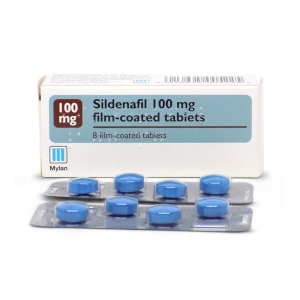
Sildenafil is a medication used primarily for the treatment of erectile dysfunction (ED) in adult men. It belongs to the class of phosphodiesterase type 5 (PDE5) inhibitors, which support the physiological mechanisms involved in achieving an erection. Sildenafil was originally developed for cardiovascular research but later became widely used in sexual medicine due to its effects on penile blood flow (NHS overview).
The drug is taken before anticipated sexual activity and works only in the presence of sexual stimulation. Sildenafil has been extensively studied and is considered one of the most established pharmacological options for ED. Its use is typically guided by a healthcare professional to ensure safety and suitability for the individual.
Mechanism of Action
Sildenafil works by inhibiting phosphodiesterase type 5 (PDE5), an enzyme that breaks down cyclic GMP in the smooth muscle of penile blood vessels. By reducing PDE5 activity, the medication helps maintain higher levels of cyclic GMP during sexual stimulation (mechanism overview).
This leads to increased blood flow into the erectile tissues, supporting the ability to achieve and maintain an erection. The effect enhances natural physiological responses rather than initiating arousal on its own.
Who Should Use It
Sildenafil may be appropriate for adult men experiencing mild to moderate erectile dysfunction, especially those who benefit from an on‑demand medication that supports erectile firmness and reliability. It can be considered by individuals seeking a well‑established treatment option after discussing their symptoms with a healthcare professional.
However, Sildenafil is not suitable for everyone. It should not be used by individuals taking nitrate‑based medications, those with certain cardiovascular conditions, or people for whom sexual activity is medically unsafe. Men with significant liver or kidney impairment, or those with complex underlying health issues, should undergo medical evaluation before use. A consultation helps determine whether Sildenafil is an appropriate and safe choice (FDA safety information).
Pharmacodynamics & Vascular Selectivity of Sildenafil
Sildenafil’s pharmacodynamic profile is defined by selective inhibition of PDE5 within cavernosal smooth muscle, where nitric‑oxide–mediated cGMP accumulation drives vasodilation and erection formation. PDE5 is highly expressed in penile tissue, enabling sildenafil to enhance the natural erectile response only in the presence of sexual stimulation. This selectivity minimizes systemic vasodilation while maximizing cavernosal smooth‑muscle relaxation.
Sildenafil also exhibits measurable affinity for PDE6 in retinal photoreceptors, explaining transient visual disturbances in some users. Its vascular selectivity profile differentiates it from non‑specific vasodilators by concentrating its effect in erectile tissue rather than systemic circulation.
| Pharmacodynamic Parameter | Effect |
|---|---|
| PDE5 inhibition | ↑ cGMP → cavernosal smooth‑muscle relaxation |
| PDE6 affinity | Mild; explains transient visual color shifts |
| Systemic vasodilation | Minimal at therapeutic doses |
| Requirement for arousal | Essential; sildenafil amplifies NO‑mediated signaling |
| Rigidity improvement | Enhanced intracavernosal pressure and venous occlusion |
Onset Dynamics & Absorption Variability of Sildenafil
Sildenafil’s onset ranges from 20 to 60 minutes depending on gastric emptying rate, hepatic metabolism, and presence of dietary fat. As an orally administered PDE5 inhibitor, sildenafil requires gastrointestinal absorption before reaching systemic circulation and cavernosal tissue. Its Tmax typically occurs at ~60 minutes, but real‑world onset varies due to metabolic and physiological factors.
High‑fat meals delay absorption by slowing gastric emptying and reducing peak plasma concentration (Cmax). Conversely, fasting conditions accelerate onset and increase early‑phase bioavailability. Inter‑individual variability in CYP3A4 activity further influences onset speed and intensity.
| Onset Parameter | Influence |
|---|---|
| Gastric emptying | Faster emptying → faster onset |
| High‑fat meals | Delayed Tmax; reduced Cmax |
| Hepatic metabolism | CYP3A4 variability affects onset intensity |
| Age | Older users may experience stronger early exposure |
| Functional onset | Typically 20–60 minutes depending on conditions |
Duration & Functional Window of Sildenafil
Sildenafil’s duration reflects a distinction between its pharmacokinetic half‑life and its functional erectile window. Although the plasma half‑life averages ~4 hours, the functional effect persists for 4–6 hours due to sustained cGMP accumulation in cavernosal smooth muscle. Sildenafil’s inhibition of PDE5 prolongs nitric‑oxide–mediated vasodilation, enabling improved rigidity and erection sustainability throughout this window.
The functional duration varies with metabolic rate, age, hepatic clearance, and arousal dynamics. While plasma concentration declines steadily, cavernosal responsiveness remains elevated until cGMP levels normalize. This explains why users may experience reliable erectile support even as systemic sildenafil levels fall below peak values.
| Duration Parameter | Effect |
|---|---|
| Plasma half‑life | ~4 hours |
| Functional erectile window | 4–6 hours depending on physiology |
| cGMP persistence | Prolonged cavernosal smooth‑muscle relaxation |
| Metabolic variability | CYP3A4 activity influences duration intensity |
| Arousal dependency | Effect expressed only with sexual stimulation |
This separation between PK decline and functional persistence defines sildenafil’s characteristic “4–6 hour window,” widely recognized in clinical and real‑world use.
Food Interaction & High‑Fat Meal Effect (Sildenafil)
Sildenafil’s absorption is highly sensitive to food intake, particularly high‑fat meals. Because sildenafil requires gastrointestinal absorption before reaching systemic circulation, delayed gastric emptying significantly shifts its onset and early‑phase bioavailability. High‑fat meals prolong Tmax, reduce peak plasma concentration (Cmax), and slow the rise of active drug levels in cavernosal tissue.
These effects do not diminish sildenafil’s overall potency but delay the time required to reach functional concentrations. Fasting conditions or light meals accelerate absorption, producing faster onset and stronger early‑phase response.
| Food Interaction Parameter | Effect on Sildenafil |
|---|---|
| High‑fat meals | Delayed Tmax; reduced Cmax; slower onset |
| Gastric emptying | Primary determinant of absorption speed |
| Early‑phase bioavailability | Lower after heavy meals |
| Functional onset | Shifted from 20–40 min to 45–90 min |
| Overall potency | Unaffected; only timing changes |
This interaction explains why sildenafil’s real‑world onset varies widely and why users often report slower response after heavy or high‑fat meals.
Sildenafil vs Other PDE5 Inhibitors — Mechanistic Comparison
Sildenafil differs from other PDE5 inhibitors through its potency, selectivity profile, onset dynamics, and affinity for secondary phosphodiesterase isoenzymes. While all PDE5 inhibitors enhance nitric‑oxide–cGMP signaling in cavernosal smooth muscle, sildenafil’s moderate PDE5 potency and measurable PDE6 affinity create a distinct clinical signature. These mechanistic differences influence onset speed, duration, visual side‑effect profile, and vascular distribution.
Compared with tadalafil, vardenafil, and avanafil, sildenafil occupies a middle position in onset speed and duration. Its PDE6 cross‑reactivity explains transient visual color shifts, a feature not shared by tadalafil or avanafil. Sildenafil’s vascular selectivity favors cavernosal tissue, producing reliable rigidity enhancement without excessive systemic vasodilation.
| Mechanistic Feature | Sildenafil | Other PDE5 Inhibitors |
|---|---|---|
| PDE5 potency | Moderate | Higher in vardenafil; lower in avanafil |
| PDE6 affinity | Notable → visual color shifts | Minimal in tadalafil/avanafil |
| Onset speed | 20–60 min | Faster in avanafil; similar in vardenafil |
| Duration | 4–6 hours | 36 hours for tadalafil; 6–8 for vardenafil |
| Vascular selectivity | Strong cavernosal targeting | Similar across class; tadalafil more systemic |
This mechanistic comparison positions sildenafil as a balanced, well‑characterized PDE5 inhibitor with a predictable onset, moderate duration, and distinct visual‑side‑effect profile.
Real‑World Use Patterns & Variability (Sildenafil)
Real‑world responses to sildenafil vary widely due to differences in physiology, arousal dynamics, metabolic rate, and contextual factors surrounding sexual activity. Although sildenafil’s mechanism as a PDE5 inhibitor is consistent, its functional expression depends on nitric‑oxide release triggered by sexual stimulation. This makes psychological state, partner interaction, and timing critical determinants of perceived effectiveness.
Variability also arises from differences in gastric emptying, hepatic metabolism, and CYP3A4 activity, which influence onset speed and early‑phase exposure. Environmental factors such as stress, fatigue, alcohol intake, and meal composition further modulate the erectile response. These real‑world patterns explain why some users experience rapid, strong effects while others report slower or more moderate responses despite identical dosing.
- Arousal dependency — sildenafil amplifies NO‑mediated signaling; low arousal reduces effect expression.
- Psychological context — anxiety, distraction, or performance pressure may blunt responsiveness.
- Metabolic variability — CYP3A4 differences influence onset and intensity.
- Meal timing — high‑fat meals delay absorption and shift onset.
- Alcohol intake — alters vascular tone and reduces erectile rigidity.
- Partner dynamics — emotional comfort enhances NO release and functional response.
These factors collectively shape sildenafil’s real‑world performance, making its effect highly context‑dependent despite a stable pharmacological mechanism.
Erection Quality & Hemodynamic Response (Sildenafil)
Sildenafil enhances erection quality by increasing intracavernosal pressure, improving venous occlusion, and stabilizing cavernosal smooth‑muscle relaxation. Through selective inhibition of PDE5, sildenafil prevents cGMP breakdown, allowing nitric‑oxide–mediated vasodilation to persist longer and more effectively. This results in improved rigidity, better erection sustainability, and enhanced responsiveness to sexual stimulation.
Hemodynamically, sildenafil increases arterial inflow into the corpora cavernosa while reducing venous outflow through improved veno‑occlusive function. These changes elevate intracavernosal pressure to levels sufficient for penetration and maintenance. The effect is arousal‑dependent, meaning sildenafil does not induce erections autonomously but amplifies the body’s natural erectile cascade.
| Hemodynamic Parameter | Effect of Sildenafil |
|---|---|
| Intracavernosal pressure | Significant increase due to enhanced arterial inflow |
| Venous occlusion | Improved, reducing premature detumescence |
| Rigidity | Higher firmness and stability during intercourse |
| Responsiveness | Enhanced sensitivity to sexual stimulation |
| Sustainability | Longer maintenance of erection within functional window |
These hemodynamic improvements define sildenafil’s clinical profile: reliable rigidity enhancement, improved erection stability, and consistent support for sexual performance when adequate arousal is present.
Alcohol Interaction & Sympathetic Tone (Sildenafil)
Alcohol influences sildenafil’s functional expression by altering vascular tone, autonomic balance, and the neurochemical pathways involved in sexual arousal. While sildenafil’s mechanism as a PDE5 inhibitor remains unchanged, alcohol modifies the physiological environment in which nitric‑oxide–cGMP signaling operates. Moderate alcohol intake may reduce anxiety and increase social comfort, but it simultaneously decreases sympathetic tone and can impair erection rigidity by reducing cavernosal pressure.
At higher levels, alcohol acts as a central nervous system depressant, diminishing arousal, slowing reflex pathways, and reducing the body’s ability to generate sufficient nitric oxide for sildenafil to amplify. Alcohol also causes systemic vasodilation, which can blunt the hemodynamic gradient required for optimal penile blood flow. These combined effects explain why some users experience weaker or delayed responses when alcohol is consumed near the time of sildenafil use.
| Alcohol‑Related Parameter | Effect on Sildenafil Response |
|---|---|
| Sympathetic tone | Reduced → weaker rigidity and slower response |
| Central arousal | Depressed at higher doses → reduced NO release |
| Vascular tone | Systemic vasodilation → lower cavernosal pressure |
| Psychological state | Moderate intake may reduce anxiety but impair performance |
| Functional window | May feel shorter or less intense |
These interactions highlight that alcohol does not chemically interfere with sildenafil but alters the physiological conditions required for optimal erectile response.
Metabolism Pathways (CYP3A4/2C9) & Variability (Sildenafil)
Sildenafil’s metabolism is primarily mediated by hepatic cytochrome P450 enzymes, especially CYP3A4 and, to a lesser extent, CYP2C9. These pathways determine plasma exposure, onset speed, and functional duration. Variability in CYP3A4 activity—due to genetics, age, diet, or interacting medications—explains why users experience different onset times and intensity levels despite identical dosing.
CYP3A4 inhibitors slow sildenafil clearance, increasing plasma concentration and prolonging early‑phase exposure. CYP inducers accelerate metabolism, reducing peak levels and shortening the functional window. Because sildenafil’s effect depends on achieving sufficient cavernosal concentrations to inhibit PDE5, metabolic variability directly influences real‑world performance.
| Metabolic Factor | Effect on Sildenafil |
|---|---|
| CYP3A4 activity | Primary determinant of exposure and onset |
| CYP2C9 contribution | Secondary pathway; mild influence on clearance |
| CYP3A4 inhibitors | Increase Cmax and AUC → stronger early effect |
| CYP inducers | Lower exposure → weaker or shorter response |
| Age‑related metabolism | Reduced clearance in older adults → higher exposure |
These metabolic pathways explain why sildenafil’s onset, intensity, and duration vary across individuals, even when pharmacodynamics remain constant.
Sildenafil in Mild Cardiovascular Conditions
Sildenafil’s hemodynamic profile allows its use in individuals with mild, stable cardiovascular conditions because its vasodilatory action is primarily localized to cavernosal smooth muscle. As a PDE5 inhibitor, sildenafil enhances nitric‑oxide–cGMP signaling without significantly altering systemic blood pressure in most healthy users. This selective vascular response differentiates sildenafil from non‑specific vasodilators that can produce widespread hypotension.
In mild cardiovascular contexts, sildenafil may influence preload and afterload through modest systemic vasodilation, but these effects are typically small and transient. Its impact on endothelial function and vascular reactivity has been studied in populations with early‑stage vascular stiffness, showing improved flow‑mediated dilation without compromising hemodynamic stability. Because sildenafil’s effect is arousal‑dependent, cardiovascular load increases only during sexual activity, not at rest.
| Cardiovascular Parameter | Effect of Sildenafil |
|---|---|
| Systemic blood pressure | Mild, transient decrease |
| Heart rate | Minimal change under resting conditions |
| Endothelial function | Improved NO‑mediated vasodilation |
| Exercise tolerance | Generally unchanged in mild CV conditions |
| Hemodynamic stability | Maintained due to selective PDE5 targeting |
These characteristics explain why sildenafil maintains a favorable hemodynamic profile in individuals with mild cardiovascular limitations, provided overall cardiovascular stability is present.
Storage & Stability of Sildenafil
Sildenafil’s stability depends on maintaining controlled environmental conditions that preserve tablet integrity and prevent degradation of the active ingredient. As a solid‑dose PDE5 inhibitor, sildenafil is sensitive to moisture, heat, and prolonged light exposure. These factors can alter dissolution characteristics and delay absorption, affecting onset and early‑phase bioavailability.
Standard pharmaceutical storage conditions are sufficient to maintain sildenafil’s potency. Blister packaging provides moisture protection and should remain intact until use. While sildenafil is chemically stable at room temperature, exposure to high humidity or heat may accelerate degradation of excipients and reduce formulation consistency.
| Storage Parameter | Recommended Condition |
|---|---|
| Temperature | 20–25°C (68–77°F); avoid heat sources |
| Humidity | Store in a dry environment; avoid bathrooms |
| Light exposure | Protect from direct sunlight |
| Packaging | Keep tablets in original blister |
| Handling | Avoid moisture contact |
| Stability | Stable under standard room conditions |
These storage guidelines ensure sildenafil maintains its expected onset, potency, and functional duration across its shelf life.